Introduction
In today's competitive task market, having the ideal academic credentials is typically insufficient to secure a preferable position. Employers significantly look for prospects with useful experience that aligns with their organizational needs. This shift has led to the emergence of work experience evaluation strategies as an important tool for assessing a person's proficiencies and potential contributions to a business. In this post, we will delve into numerous strategies and approaches for assessing work experience, stressing how these strategies can raise profession paths.
Elevating Profession Paths through Work Experience Assessment Techniques
Work experience examination plays a vital role in bridging the gap between official education and real-world application. By assessing a person's work history and ability, employers can make informed hiring choices while candidates can successfully display their abilities. Understanding various examination methods will empower both parties, causing more significant work outcomes.
Understanding Work Experience Evaluation
What is Work Experience Evaluation?
At its core, work experience assessment involves examining a person's professional background to assess their skills, knowledge, and accomplishments. This procedure frequently consists of evaluating task tasks, responsibilities, and achievements in previous functions.
Why is Work Experience Assessment Important?
The value of work experience examination can not be overstated. It enables companies to recognize prospects who have not simply theoretical understanding but also practical abilities that line up with task requirements. For candidates, a reliable assessment can assist highlight transferable skills that may make them ideal for functions outside their previous industry.
The Function of Academic Credential Evaluation
What is Academic Credential Evaluation?
Academic credential examination describes the process of examining educational credentials from one country against those from another. This evaluation is vital for global job candidates who require to prove https://telegra.ph/International-Credential-Evaluation-Solutions---Global-Degree--Job-Analyses-09-09 that their education fulfills local standards.
How Does Academic Credential Examination Intersect with Work Experience?
While academic qualifications supply a structure of understanding, they need to be complemented by appropriate work experience for extensive evaluation. Employers look for prospects who have not only studied theory but have actually likewise applied it almost in real-world situations.
International Credential Evaluation Services
Overview of International Credential Assessment Services
International credential examination services concentrate on examining degrees and diplomas made outside the local educational system. These services help assist in worldwide mobility by guaranteeing that educational credentials are acknowledged throughout borders.
How Do These Services Effect Profession Advancement?
Having your international qualifications evaluated boosts employability by offering a clear understanding of how your certifications compare within a various context. This recognition can considerably affect career advancement chances for migrants or individuals seeking tasks in foreign markets.
Course-by-Course Credential Evaluation
What is Course-by-Course Credential Evaluation?
Course-by-course credential examinations break down instructional certifications into private courses taken throughout the degree program. This comprehensive review offers employers with insight into specific subject matter expertise.
Benefits for Job Seekers Utilizing Course-by-Course Evaluations
For job hunters, having a course-by-course credential assessment can display specialized skills pertinent to the positions they are applying for. It acts as evidence of their scholastic proficiency and improves their general profile throughout the recruitment process.
Techniques for Reliable Work Experience Evaluation
1. Structured Interviews: A Secret Evaluative Tool
Structured interviews include asking standardized concerns created to assess particular competencies related to job efficiency. These interviews help ensure consistency across candidate evaluations.
- Benefits: Reduces bias Provides quantitative data Facilitates contrast amongst candidates
2. Abilities Evaluations: Evaluating What Matters Most
Skills assessments allow employers to examine prospects' capabilities through dry runs or simulations connected to the job's requirements.
- Benefits: Directly measures relevant skills Offers insight into analytical abilities Enhances prospect engagement
3. Referral Checks: Verifying Experience
Reference checks involve connecting to previous companies or associates to validate a candidate's work history and efficiency levels.
- Benefits: Provides third-party insights Validates claims made on resumes Unveils soft abilities that might not appear in interviews
The Significance of Expert Opinion Letters
What is an Expert Viewpoint Letter?
A specialist viewpoint letter functions as an official document written by professionals who assess a candidate's credentials based on their experiences and achievements within specific fields.
How Can Expert Opinion Letters Help Task Seekers?
These letters add trustworthiness to a candidate's application by offering a reliable recommendation of their abilities and experiences from acknowledged experts in the industry.
Integrating Company Strategy Evaluations into Profession Development
What Does Business Strategy Evaluation Entail?
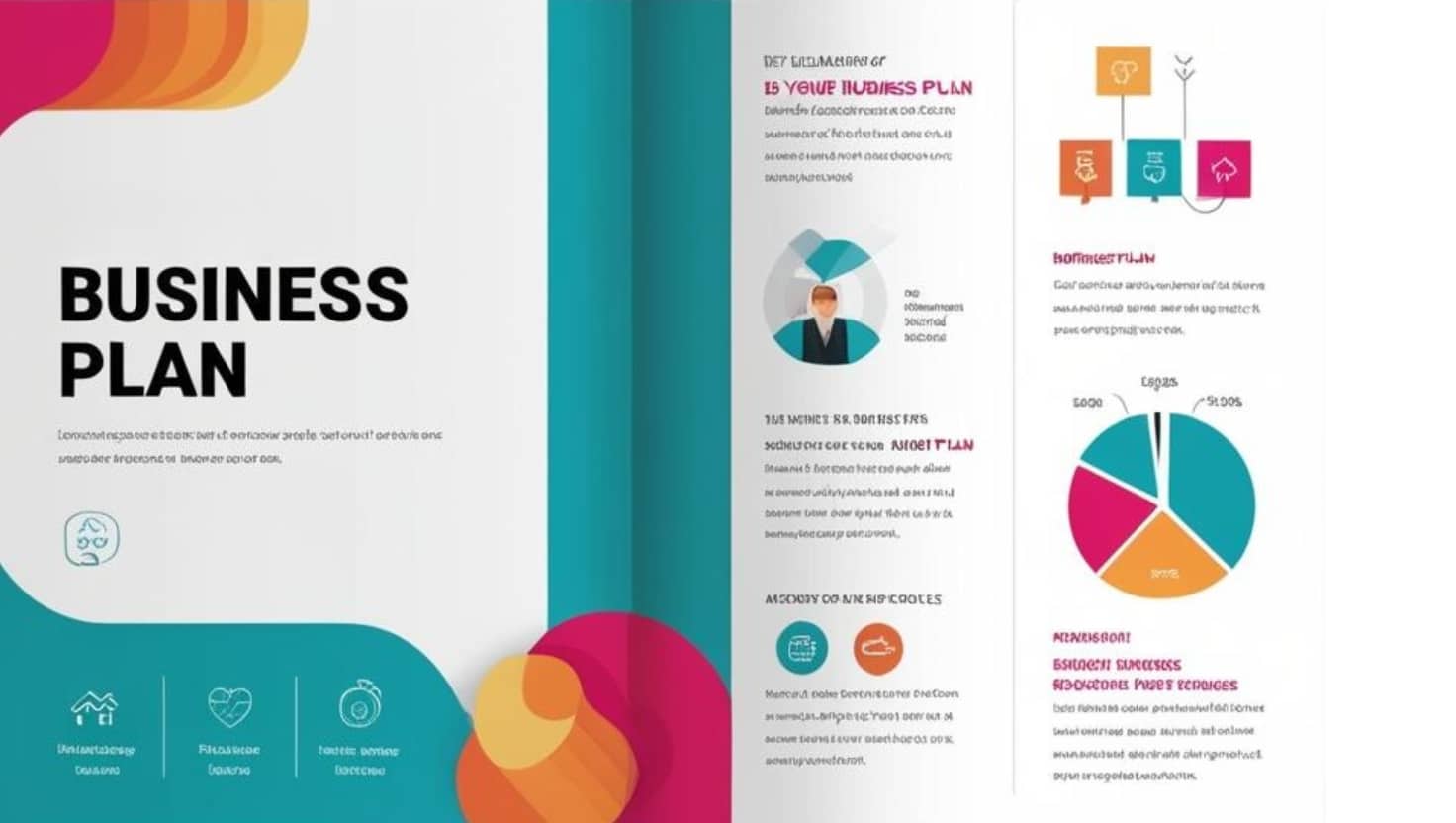
Business strategy evaluations assess the feasibility and viability of business concepts proposed by individuals or groups going for equity capital or entrepreneurship opportunities.
How Can Comprehending Business Plans Elevate Career Paths?
For specialists wanting to advance in management or entrepreneurial functions, comprehending how to evaluate company plans can hone tactical thinking abilities-- an attractive quality for lots of employers.
Case Studies: Effective Implementation of Work Experience Evaluations
Case Study 1: Technology Sector
A tech firm carried out structured interviews integrated with technical assessments resulting in greater employee retention rates due to much better alignment between candidates' skills and task demands.
FAQs
What are some typical methods used in work experience evaluations? Common techniques consist of structured interviews, referral checks, abilities assessments, and expert opinion letters.
How crucial is academic credential assessment in today's job market? Academic credential assessments are essential as they verify educational backgrounds especially for international applicants looking for work locally.
Can I get my global qualifications examined online? Yes! Lots of organizations use online services where you can send your files for assessment at your convenience.
What benefits do course-by-course assessments provide compared to basic evaluations? Course-by-course assessments provide comprehensive insights into particular courses taken which can highlight particular proficiency sought by employers.
Are professional viewpoint letters mandatory when getting jobs? No, they aren't generally necessary but can considerably reinforce your application by supplying extra validation of your competencies from industry experts.
Is organization strategy evaluation relevant only for entrepreneurs? While primarily used by entrepreneurs seeking funding, comprehending organization plan examinations is advantageous across numerous supervisory roles as it cultivates strategic thinking skills suitable in numerous contexts.
Conclusion
Elevating profession courses through work experience assessment techniques requires a nuanced approach that integrates scholastic qualifications with useful experiences efficiently evaluated through various methods such as structured interviews, reference checks, and skilled opinion letters. As both employees and companies end up being progressively familiar with the importance of these evaluations, adopting detailed evaluation strategies will unquestionably lead to much better hiring choices and boosted profession advancement opportunities across industries.